
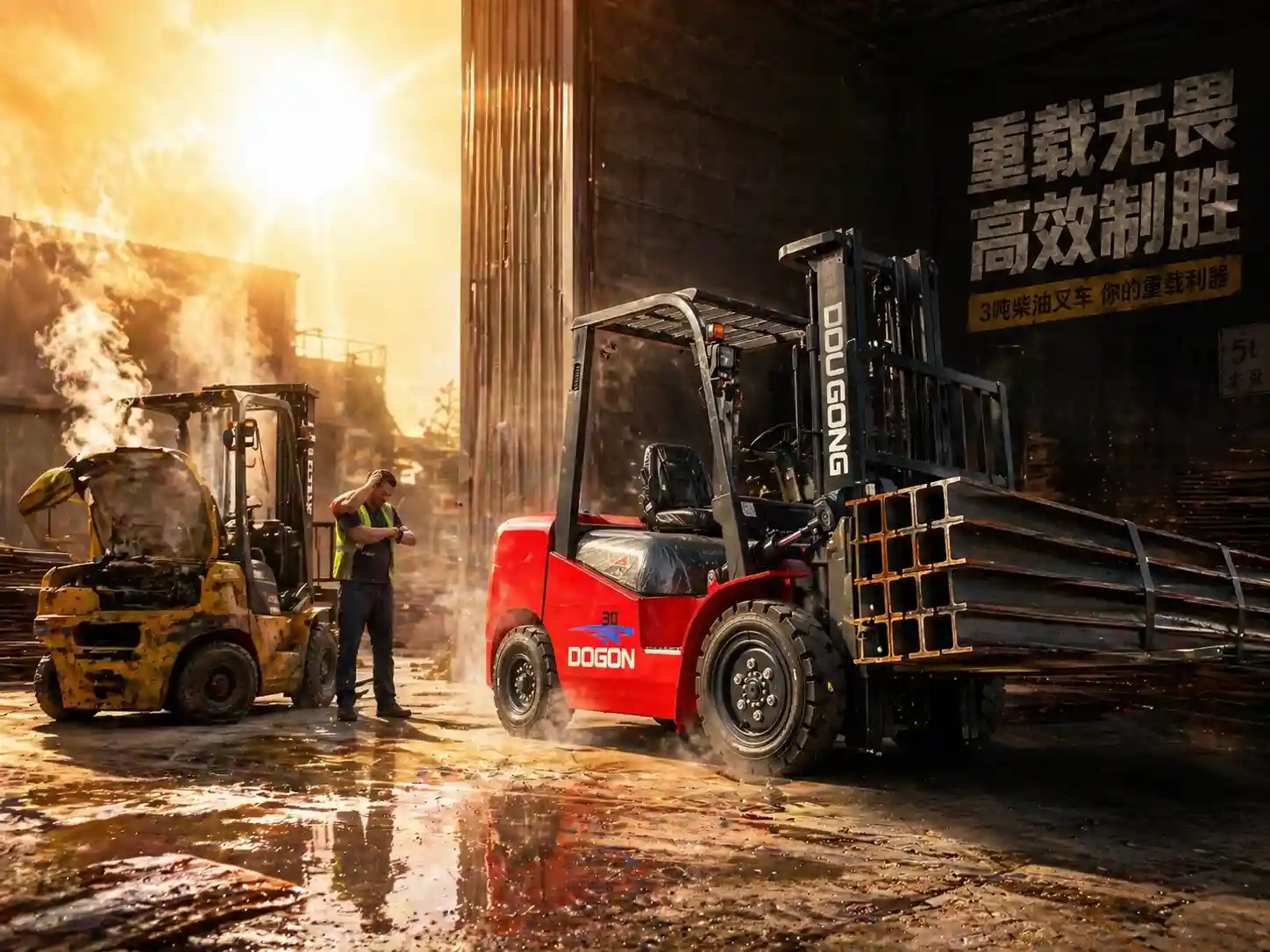
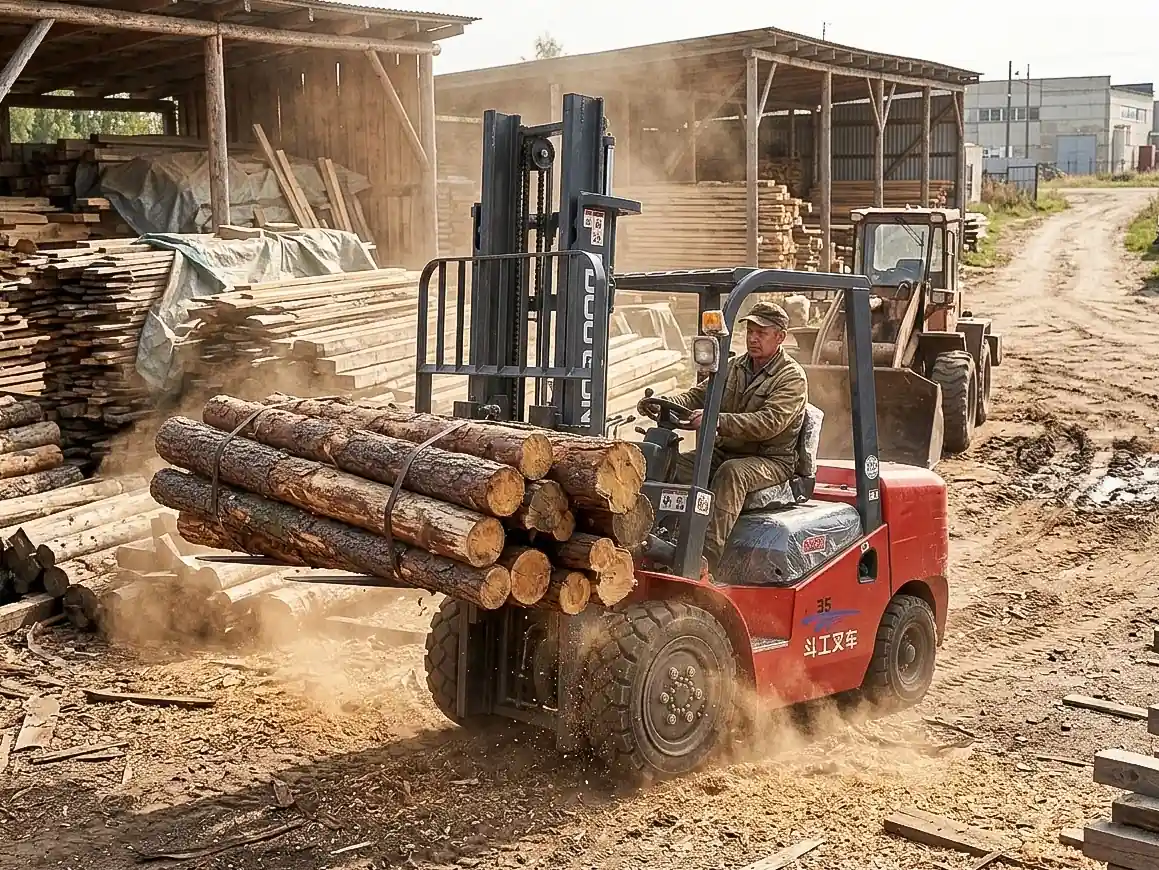
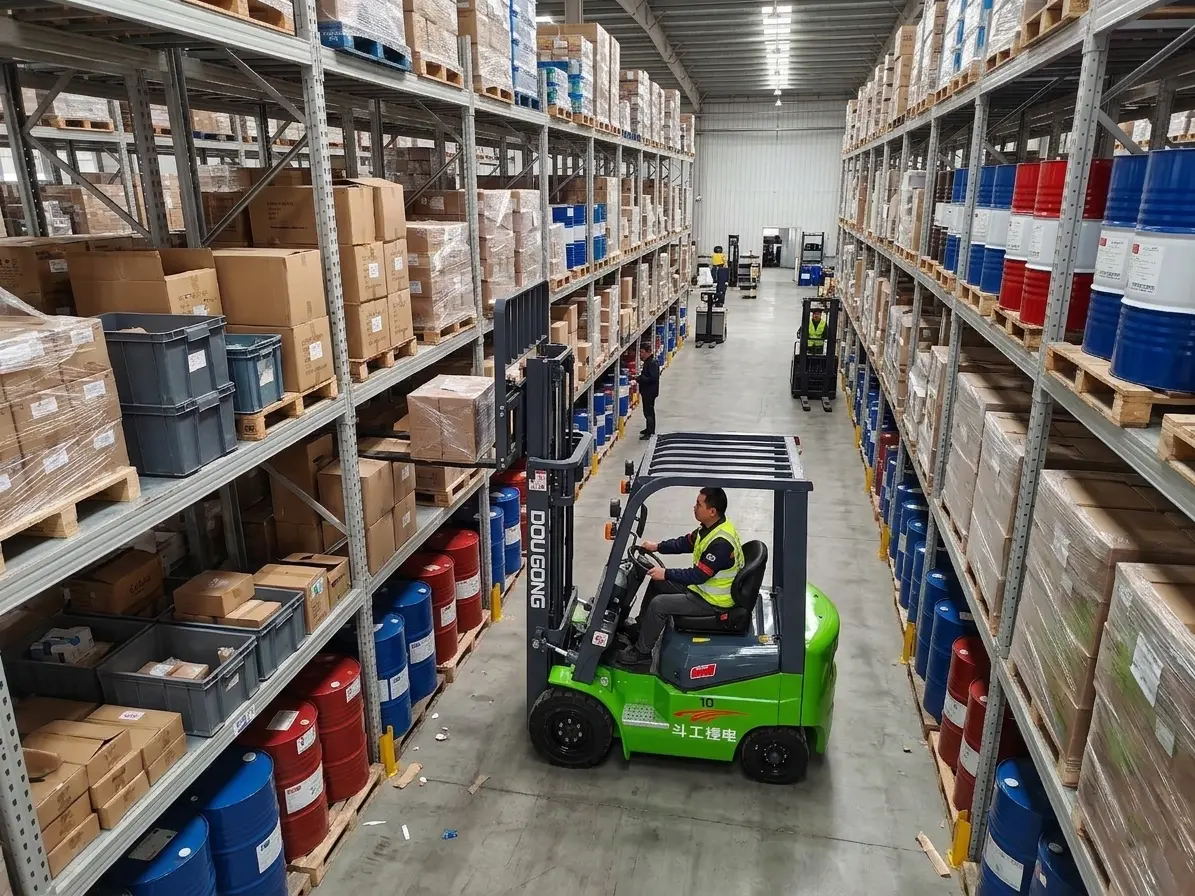
Diesel forklifts are widely used in warehouses for their strong power, durability, and ability to handle heavy loads. They are ideal for outdoor operations, long hours of continuous work, and transporting large cargo. However, with so many brands, engine types, load capacities, and features available, choosing the right diesel forklift can be challenging. Picking the wrong one may lead to high fuel costs, frequent maintenance, and safety issues. To ensure optimal performance and efficiency, it’s important to evaluate multiple factors before purchasing.
In this guide, we’ll cover…
1. Understanding the Key Advantages of a Diesel Forklift
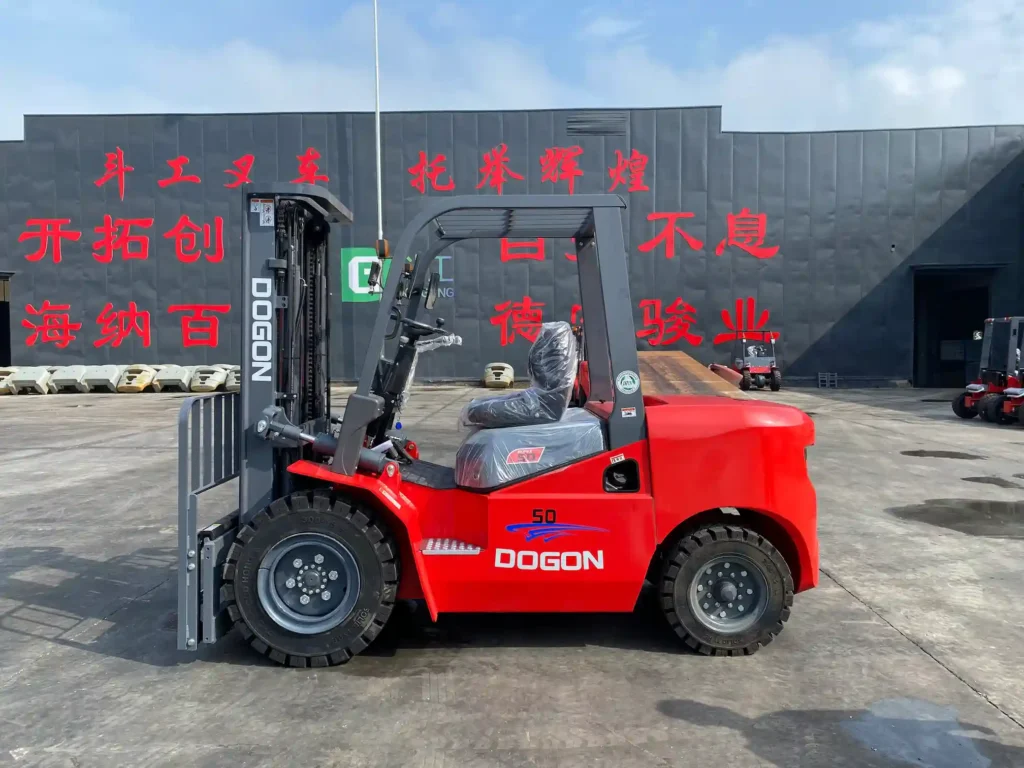
Diesel forklifts provide high torque and long operational hours, making them suitable for heavy-duty warehouse tasks. Key benefits include:
Strong lifting power and stable performance on inclines
Quick refueling without long charging times
Simple maintenance and long service life
2. Assessing Your Warehouse Environment
Ventilation
Diesel engines produce exhaust, so a well-ventilated or outdoor warehouse is ideal.
Temperature and Humidity
Diesel forklifts handle low temperatures and humidity well. For wet or muddy floors, select forklifts with tires suitable for traction.
3. Determine Load Capacity and Forklift Tonnage
Calculate maximum and average load weights before buying. Common capacities: 1.5, 2, 3, 5, 7 tons.
Recommendation: Maximum load × 1.2 = ideal forklift tonnage.
Safety margins reduce engine stress and extend machine life.
4. Lifting Height and Mast Type
Standard Mast
Suitable for warehouses with typical racks, lifting 3–4 meters.
Free-Lift Mast
Useful in low-clearance areas or container loading.
High Stacking Needs
If racks exceed 6 meters, choose reinforced masts for stability.
5. Engine Brand and Emission Standards
High-quality engines ensure lower fuel consumption, fewer breakdowns, and longer life.
Popular brands: Mitsubishi, Isuzu, Kubota.
Check local regulations if exporting:
EU: Euro V / Euro VI
USA: EPA Tier 4
6. Tire Options: Pneumatic vs Solid
Pneumatic Tires
Better comfort and traction
Suitable for uneven outdoor surfaces
Solid Tires
Puncture-resistant
Low maintenance
Recommended for indoor warehouse operations.
7. Operator Comfort and Safety Features
Operator experience affects efficiency and safety. Key features:
Suspension seat
Wide visibility mast
LED work lights
Rearview camera or sensors
Anti-slip steps
Small features improve safety significantly.
8. Durability and Build Quality
High-quality forklifts have thicker steel plates and strong welds. Inspect:
Mast stability
Uniform welding
Sturdy chassis without deformation
Durability ensures fewer repairs and longer operational life.
9. Supplier Reliability and Spare Parts Support
Even the best diesel forklift needs maintenance. Choose suppliers who offer:
Warranty on key components
Adequate spare parts
Remote or on-site technical support
Reliable service reduces downtime and improves efficiency.
10. Test Drive: The Final Step
Testing the forklift ensures:
Smooth acceleration and braking
Stable hydraulic operation
Clear visibility
Maneuverability in warehouse aisles
A well-performing diesel forklift stays stable even under heavy loads.
11. Budget and Overall Cost Assessment
Consider total cost, not just purchase price:
Lifespan (typically 8–12 years)
Maintenance and repairs
Resale value
A forklift with lower total cost improves warehouse profitability over time.
Conclusion
Choosing the right diesel forklift requires evaluating power, tonnage, mast type, work environment, maintenance needs, and supplier support. By carefully assessing these factors and considering long-term costs, you can select a reliable, durable, and efficient diesel forklift that enhances warehouse operations, reduces downtime, and ensures safety.
FAQs
Q: What is the main difference between diesel and electric forklifts?
A: Diesel forklifts provide more power and longer runtime, ideal for outdoor and heavy-duty work. Electric forklifts are quieter, cleaner, and better suited for indoor use.
Q: Can diesel forklifts be used indoors?
A: Yes, but only in well-ventilated areas. In enclosed spaces, electric forklifts are safer due to lower emissions.
Q: How often should a diesel forklift be maintained?
A: Typically, minor maintenance is needed every 250 hours, and major maintenance every 2000 hours. Frequency may vary depending on brand and usage.